
Flooring Calculator
Imagine: You’re jazzed to update your living room with new hardwood, only to find halfway through the installation that you didn’t purchase enough material. Enter frustration and extra store runs. This common headache can derail any renovation. That’s where a flooring calculator comes in handy. It turns chaotic planning into a smooth process by estimating exactly what you need.
This is how home improvement projects can be simplified with a flooring calculator. Beginner or seasoned pro, it doesn’t matter heads up on how not to waste and stay within budget while covering features, advantages, and practical tips, all drawn from the analytics of reputable sources like Omni Calculator, and Inch Calculator Expect around 1000 words of actionable advice to make your next flooring job effortless.
What Is a Flooring Calculator?
A flooring calculator is a simple tool that figures out how much material you need for a space. It takes room measurements and spits out square footage requirements. Unlike basic math apps, it handles real-world details like waste from cuts or irregular shapes.
These tools come in online versions or apps from home improvement sites. That way, for example, they may calculate for a room size 12ft x 15ft which equals 180sqft as the base area. But they go further, adding extras for efficiency.
Many also estimate costs by factoring in material prices per square foot. This helps with budgeting before you shop.
Key Features of a Modern Flooring Calculator
Top flooring calculators offer user-friendly inputs like length, width, and room shape. They support units in feet or meters for global use.
Outputs include total material needed, waste adjustments, and cost breakdowns. Some, like those from Lowe’s, even suggest labor hours.
Advanced ones integrate with retailer sites for instant quotes. In 2025, expect AI enhancements for visualizing layouts via apps.
Benefits of Using a Flooring Calculator
Why bother with a flooring calculator? It boosts accuracy, cutting down on excess purchases that inflate costs.
You’ll save money by avoiding shortages too—no emergency buys at premium prices. Experts note it reduces waste by 5-15%, promoting eco-friendly choices.
Time efficiency shines through quick computations, ideal for multi-room projects. It’s versatile for homes or offices, handling everything from small baths to large halls.
Useful in many scenarios, whether in a home or office, going from small baths to large halls. Both beautiful and practical, it helps limit waste going into landfills generally exhibited when excess material is cut off from flooring, which later becomes scrap. Due to the increasing cost of materials, the savings will be accelerated and will exceed even these estimates by a wide margin.
Step by Step on How to Use a Flooring Calculator
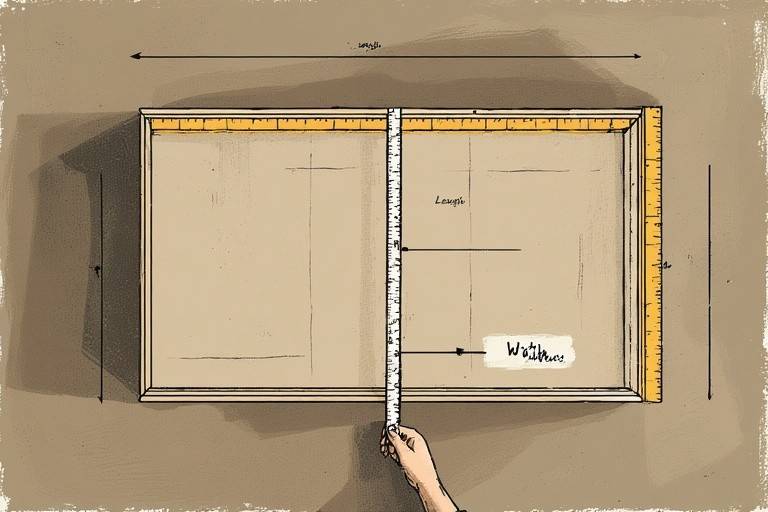
Start by gathering tools: a tape measure and notepad. Measure your room’s length and width in feet for precision.
Enter these into the flooring calculator.
Gather tools: tape measure, notepad. Measure your room in length and width in feet For the sake of this example input 16 feet as length and 13 f wide, you’ll get about 208 square feet.
Add a waste factor – typically, 5-10% for straight installs, 20% for diagonals. This accounts for trims and errors.
If available, select material type to refine estimates. Then, plug in cost per square foot for a total price.
Review results and round up to full boxes, as materials aren’t sold in fractions. Double-check inputs for accuracy.
Common Mistakes to Avoid When Using a Flooring Calculator
Don’t ignore subfloor issues; uneven surfaces can skew needs. Always inspect first.
Forgetting unit conversions leads to errors—stick to feet throughout.
Overlooking grout for tiles or seams for carpet adds up. Factor these in early.
Skipping waste percentages is risky; pros warn it causes shortages mid-project.
Types of Flooring Calculators for Different Materials
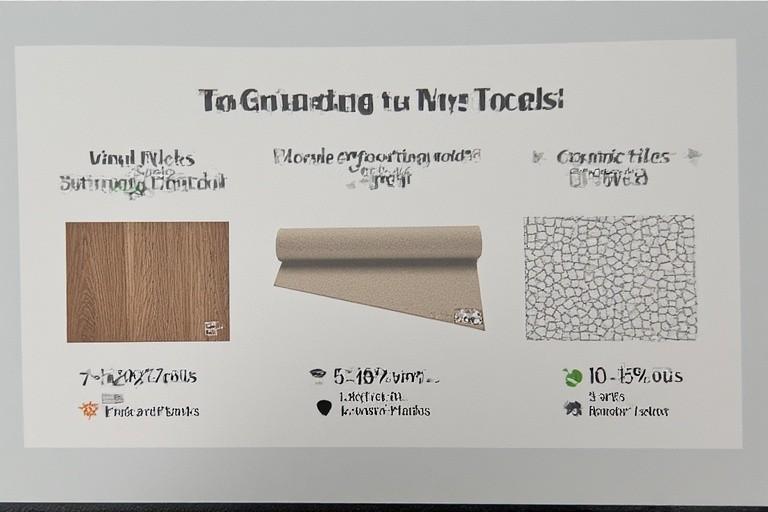
Hardwood calculators focus on plank sizes and cut waste, often adding 7-10% extra for large jobs.
For vinyl or carpet, they consider roll widths to minimize seams.
Tile versions account for grout lines and breakage, suggesting 10-15% overage.
Specialized tools, like MeasureSquare’s, handle all types with seam layouts and PDFs for quotes. In 2025, app-integrated ones from sites like Home Depot offer real-time updates.
Understanding the Flooring Calculation Formula
The core formula is simple: Square footage equals length times width.
For waste: Total material = Square footage × (1 + Waste percentage/100).
Cost comes next: Total cost = Total material × Price per square foot.
Irregular rooms? Divide into rectangles and sum areas.
Example: A 12 ft × 15 ft room is 180 sq ft. With 10% waste, order 198 sq ft at $5/sq ft for $990.
Tips for Optimizing Your Flooring Project with a Calculator
Measure twice to catch errors early. Use laser tools for odd shapes.
Include underlayment or adhesives in estimates for full budgeting.
Test scenarios: Compare laminate vs. vinyl costs via the calculator.
Explore free tools from Omni or Inch for practice. In 2025, look for AR apps to visualize before buying.
Conclusion
A flooring calculator is your ally for precise, budget-smart renovations. It handles math, reduces waste, and saves time.
Ready to start? Grab measurements and try one today. Share your project stories below—we’d love to hear how it went.
Want fresh ideas for your next project? Discover more tools on our Calculators page or explore Heaven Home