

🪟 Curtain Size Calculator
Curtains are about much more than stopping light. They design your windows and inject style into any room. But sizing can be a pain. Too short, and they look stubby. Too narrow, and they don’t cover the right way. That’s when having a curtain size calculator really helps out.
Imagine turning an ordinary window into a central point with only simple techniques. No guesswork, no more shop returns. Let’s guide you through it all. With this, you will learn accurate measuring, styling, and things to avoid. We will also discuss how to get the modern yet comfortable look in your space. It doesn’t matter whether you’re new to DIY or a pro at decorating using a curtain size calculator will save you time and money. Let’s get into it and get your windows gleaming.
What Is a Curtain Size Calculator and Why You Need One
This is what a curtain size calculator will give you: the perfect width and length for your curtains. You input basic details like window width, height, and a fullness factor. It then calculates the fabric needed for a polished look. For example, on sites like heavenhome.site , the calculator has fields for window width in inches, window height in inches, and a dropdown for fullness, such as standard 1.5x width. Hit “Calculate Curtain Size,” and you get tailored results.
Why bother with one? It prevents waste and ensures professionalism. You buy curtains that bunch oddly or gap at the edges without it. Experts note that proper sizing enhances privacy, light control, and energy efficiency. Tools like Omni Calculator account for extras like hems and patterns, making them perfect for custom or ready-made buys. If you’re redecorating, this tool turns a chore into a quick win. It’s free, fast, and far better than eyeballing.
Step-by-Step Guide to Measuring Your Windows for Curtains
Accurate measurements are key before using a curtain size calculator. Grab a steel tape measure for precision. Measure twice to avoid errors. Start by deciding on your curtain style—will they puddle on the floor or hover above?
For inside mounts, measure within the frame. For outside, go beyond for better coverage. Pros recommend measuring at three points: top, middle, and bottom, then using the smallest for width and largest for height. Now, plug these into your calculator.
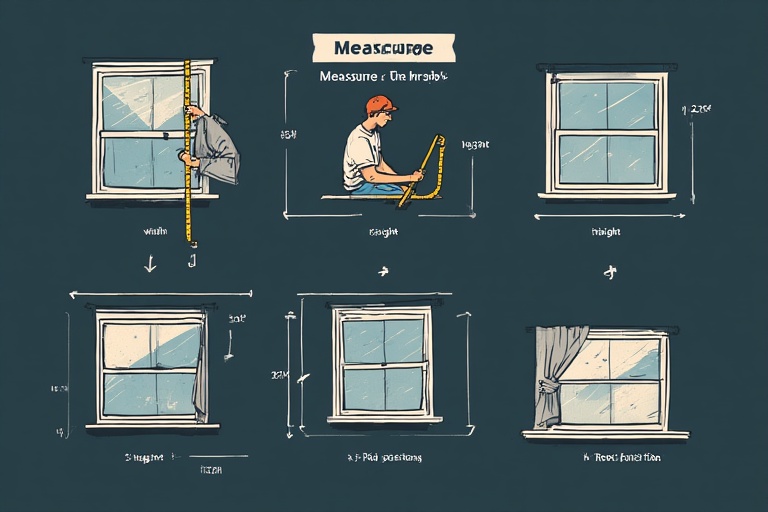
Measuring Width for Optimal Curtain Coverage
Begin with the window’s outer edges. Measure from left to right, including any trim. Add 4-6 inches on each side for overlap and light blocking. This ensures curtains stack nicely when open.
Next, factor in fullness. Multiply the total width by 1.5 to 3, depending on style. A curtain size calculator handles this math. For instance, enter your adjusted width and select a fullness like 2x for a gathered effect. This creates elegant folds without sagging.
Determining the Right Curtain Length
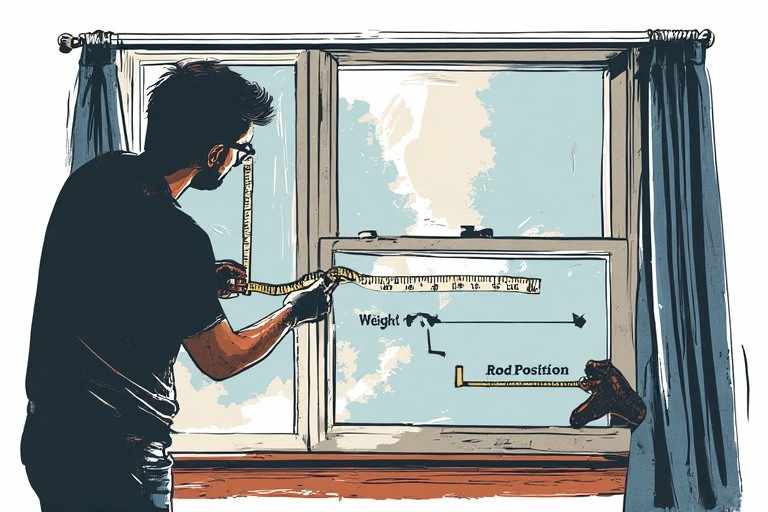
Measure from the rod’s top to your desired end point. For floor-length, aim for the floor minus half an inch to avoid dragging. Sill-length stops at the windowsill. Puddling adds 2-8 inches for drama.
Mount rods 4-6 inches above the frame to make ceilings seem taller. Standard lengths include 63 inches for cafes or 96 for floors. Input height into the calculator, and it suggests adjustments for hems or rings.
Key Factors Influencing Curtain Size Calculations
Several elements tweak your curtain size calculator results. Understanding them leads to better fits.
Fullness isn’t one-size-fits-all. Fabric type and room function matter too.
Understanding Fullness and Gathering in Curtain Dimensions
Fullness is the ratio of curtain width to window width. A 1.5x gives a tailored look; 2.5x offers luxury. It affects drape and light block. For sheers, go higher for softness. Calculators let you choose, like standard 1.5x on heavenhome.site.
Gathering creates waves. Pencil pleats need 2-2.5x for fullness. This boosts insulation and style.
Impact of Header Styles and Fabric Types
Headers dictate how curtains hang. Grommets suit modern rods; add 1-2 inches for rings. Pencil pleats gather tightly, needing more width. Rod pockets slide easily but limit fullness.
Fabric impacts size. Heavy velvets need less fullness; light linens more. Patterns require extra for matching repeats—calculators like Sew-Helpful’s handle this. Choose based on room needs for best results.

Common Mistakes When Using a Curtain Size Calculator and How to Avoid Them
Even with a tool, errors happen. One big one: ignoring rod position. Measure from the actual rod, not the window top. Fix it by installing the rod first.
Another: skipping fullness. Flat curtains look cheap. Always select at least 1.5x. Forgetting hems adds up—add 4-6 inches per side.
Uneven floors trick you. Measure multiple spots. Test with samples before buying. . Check Inputs on the Calculator Double-Check In the Calculator for Accuracy
Expert Tips for Selecting and Styling Curtains Beyond the Calculator
Once sized, style them smartly. Layer sheers under heavier panels for versatility. Hang high for height illusion.
Trends for 2025: Earthy tones, linen-like sustainable fabrics. Mix patterns subtly. Use tiebacks for daytime light.
For corners, opt for wider panels on one side. Eco-tips: Choose blackout for energy savings. Experiment—curtains refresh rooms affordably.
Conclusion
Mastering a curtain size calculator unlocks perfect window treatments. It simplifies measurements and ensures a custom feel. Follow this guide, input accurately, and enjoy the results. Your space will look pulled-together and inviting. Ready to try? Head to a tool like heavenhome.site’s curtain size calculator today. Transform your windows with confidence.
Want fresh ideas for your next project? Discover more tools on our Calculators page or explore Heaven Home