Imagine waking up, grabbing your coffee, and heading straight to a workout without battling traffic or crowds. That’s the magic of a home gym. In our busy lives, having a dedicated space for fitness right at home changes everything. It fits your schedule and keeps you motivated.
This guide dives deep into creating your ideal home gym. We’ll cover the benefits that make it worthwhile. Then, we’ll plan your space step by step. You’ll learn about essential equipment that suits any level. We’ll explore the latest trends shaping home gyms in 2025. Plus, get tailored workout routines to kickstart your sessions. Finally, tips on safety, maintenance, and budgeting ensure your setup lasts.
Why now? Fitness experts note a surge in home workouts post-pandemic. People value convenience more than ever. Studies show consistent exercise boosts mood and health. A home gym promotes that regularity. Whether you’re new to fitness or a pro, this setup can elevate your routine. It’s not just about gear—it’s about building habits that stick.
By the end, you’ll have the tools to craft a space that’s efficient, fun, and effective. Let’s turn that spare room into your personal fitness haven.
Benefits of a Home Gym
A home gym offers freedom like no other. You control your environment. No more rushing to classes or sharing equipment. This setup adapts to your life, making fitness a seamless part of your day.
Convenience and Flexibility in Your Home Gym Routine
Think about it. No commute means more time for actual workouts. You can exercise at dawn or midnight. This flexibility helps busy parents or professionals stay consistent. Experts say removing barriers like travel boosts adherence to fitness goals. Plus, privacy lets you focus without judgment. Blast your favorite playlist. Wear what you want. It’s your space.
In 2025, with remote work still common, a home gym aligns perfectly. Short breaks for quick sessions keep energy high. Over time, this builds momentum. Users report feeling more empowered and less stressed.

Health and Long-Term Cost Savings with a Home Gym
Health perks are huge. Regular access means better workout habits. This leads to stronger muscles, better heart health, and mental clarity. Exercise fights anxiety and improves sleep. A home gym encourages variety, from yoga to weights, keeping things fresh.
On costs, it’s a winner. Gym memberships add up—often $50+ monthly. A basic home setup pays for itself in a year or two. No gas or fees. Customize to your needs, avoiding unused classes. Long-term, it’s an investment in wellness. Many find they save on healthcare too, as fitness prevents issues.
Customization and Motivation Boost from Your Home Gym
Personalize everything. Choose gear for your goals, like cardio for endurance or weights for strength. Add mirrors or plants for vibe. This makes workouts enjoyable, not a chore.
Motivation soars in a tailored space. Track progress easily. Invite family for fun sessions. Trends show personalized setups increase engagement. It’s empowering. Your home gym becomes a sanctuary, sparking daily enthusiasm.
Planning Your Home Gym Space
Before buying gear, plan wisely. A thoughtful layout maximizes efficiency. It ensures safety and flow. Start small if needed—expand later.
Assessing Space and Layout for an Effective Home Gym
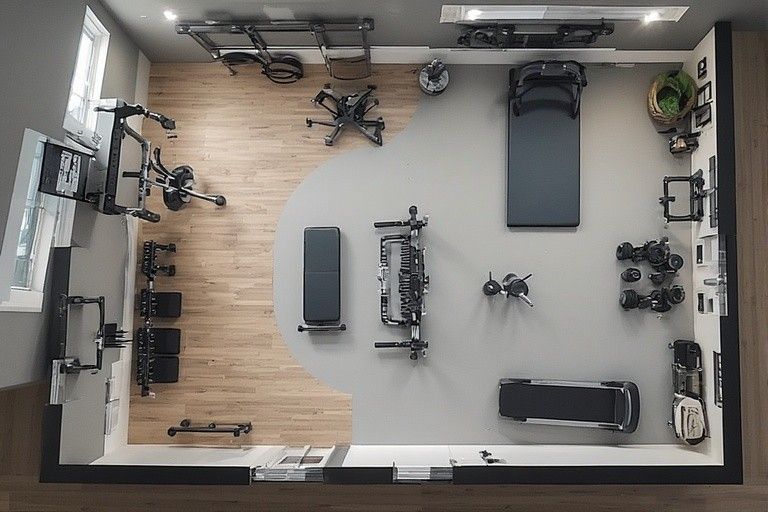
Measure your area first. Garages, basements, or spare rooms work well. Aim for at least 50 square feet for basics. Consider ceiling height for racks—8 feet minimum.
Zone your space. Dedicate spots for strength, cardio, and stretching. Use floor plans to visualize. Place heavy items near walls for stability. Leave room to move—about 2-3 feet around equipment. Multi-purpose areas shine in small homes. Foldable gear helps.
Tools like online planners make this easy. They let you drag and drop items for a custom fit. Think airflow too—windows or fans prevent stuffiness.
Setting Goals and Budget for Your Home Gym Setup
Define your fitness aims. Weight loss? Muscle gain? This guides choices. Beginners might start with bodyweight focus. Pros need advanced tools.
Budget next. Basics cost $500-$1,000. Factor in flooring and extras. Prioritize must-haves like a mat or dumbbells. Scale up as funds allow. Look for deals on used items. Set a realistic cap—include setup costs.
Design Tips to Make Your Home Gym Inviting
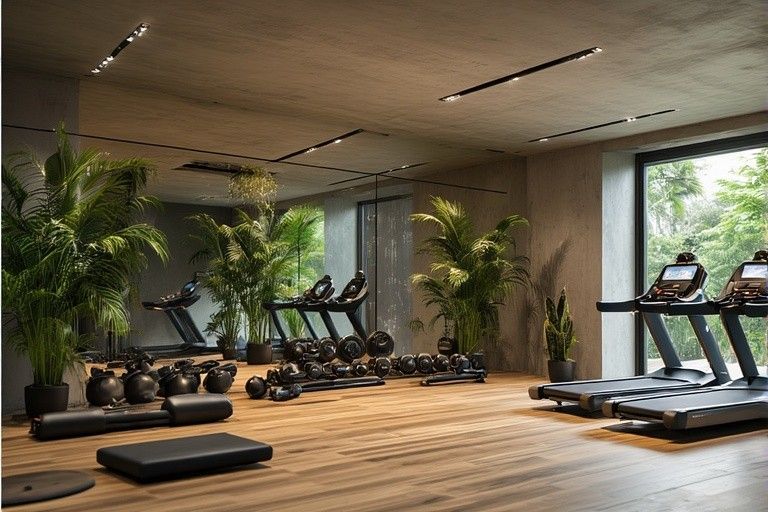
Make it appealing. Good lighting lifts mood—use LEDs or natural light. Ventilation keeps it fresh; add a fan. Flooring matters—rubber mats protect floors and reduce noise.
Add personality. Mirrors aid form checks and make spaces bigger. Motivational posters or plants add energy. Keep it organized with storage racks. This invites regular use, turning your home gym into a favorite spot.
Essential Home Gym Equipment
Choosing gear is exciting. Focus on versatile pieces. They deliver results without clutter. In 2025, options are smarter and more durable.
Core Strength Training Tools for Any Home Gym
Start with basics. A squat rack provides safety for heavy lifts. Pair it with a barbell and plates for squats, presses. An adjustable bench is key—use for bench presses or inclines.
Dumbbells offer variety. Adjustable ones save space. These tools hit multiple muscles. They’re timeless for building strength.
Cardio and Accessory Equipment to Enhance Your Home Gym
Add cardio for heart health. A rower or bike fits small spaces. They’re low-impact yet effective. Accessories like resistance bands or kettlebells add fun. Bands are portable and cheap.
For beginners, start with a jump rope or stability ball. These build endurance without bulk. Pros might add a pulley system for cables.
Minimalist Approaches for Small Space Home Gyms
Limited room? Go compact. Foldable racks or wall-mounted bars work wonders. Bodyweight tools like pull-up bars need no floor space.
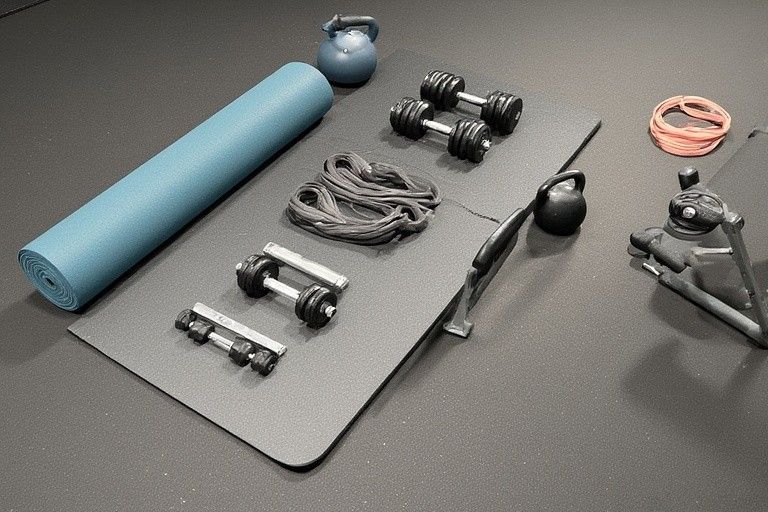
Starter kit: Mat, dumbbells, bands. Pros/cons: Affordable but limited for advanced lifts. Expand with multi-use items like a bench that stores weights. This keeps your home gym efficient and clutter-free.
Home Gym Trends and Advanced Additions in 2025
Fitness evolves fast. In 2025, home gyms blend tech and sustainability. These trends make workouts smarter and greener.
Emerging Tech in Modern Home Gyms
Smart gear leads. Connected mirrors offer virtual classes and form feedback. AI coaches personalize routines via apps.
Wearables track metrics in real-time. AR workouts immerse you in virtual worlds. Magnetic resistance on bikes adjusts automatically. These boost engagement.
Sustainable and Versatile Home Gym Innovations
Eco-friendly materials rise. Bamboo floors or recycled rubber mats cut impact. Compact designs suit apartments—foldable and modular.
Versatile tools like all-in-one trainers save space. Trends favor hybrid setups for strength and yoga. Women-focused gear emphasizes ergonomics.
Integrating Trends into Your Home Gym
Upgrade affordably. Add a smart tracker first. Join virtual communities for motivation. Mix trends with basics for balance. This keeps your home gym fresh and effective.
READ ALSO: The Ultimate Guide to Vintage Home Decor: Bringing Timeless Charm and Character into Your Space
Workout Routines Tailored to Your Home Gym
Routines turn gear into results. Start simple. Build as you go. Variety prevents boredom.
Beginner Routines for Home Gym Success
Warm up with marching in place. Do three circuits: 10 squats, 10 push-ups (knee-modified), 10 rows with bands. Rest 1 minute between. Three times weekly.
Progress by adding reps. Focus on form to avoid injury.
Advanced and Specialized Home Gym Workouts
Amp it up. HIIT: 30 seconds burpees, 30 kettlebell swings, repeat 5 times. Strength: Deadlifts, presses, pulls.
Specialize: Yoga for recovery or micro-workouts for busy days. Track gains.
Staying Engaged in Your Home Gym Sessions
Mix it up. Add music or apps. Set goals. This sustains motivation in your home gym.
Maintenance, Safety, and Budgeting for Your Home Gym
Keep it running smooth. Safety first. Budget smart.
Safety Protocols in a Home Gym Environment
Check form via mirrors. Use spotter clips on racks. Have a phone nearby. Warm up always.
Maintenance Tips to Keep Your Home Gym Functional
Clean weekly—wipe sweat, lubricate moving parts. Inspect for wear. Store properly.
Budgeting Strategies for Building a Home Gym
Start at $500 for basics. Buy used. Allocate 20% for upkeep. Prioritize needs.
Frequently Asked Question (FAQs) About Home Gyn
What are the main benefits of setting up a home gym?
A home gym provides ultimate convenience, allowing workouts anytime without commuting or crowds. It saves money long-term by eliminating membership fees and offers privacy for focused sessions. Customization to your fitness goals boosts motivation, while consistent access improves health outcomes like strength and mental well-being. Trends show increased adherence post-pandemic.
How much space do I need for a basic home gym?
For a basic home gym, aim for at least 50 square feet in a spare room, garage, or corner. This accommodates essentials like a mat, dumbbells, and a bench. Measure ceiling height for racks—8 feet minimum. Multi-purpose layouts work in small apartments; use foldable gear to maximize efficiency and flow.
What is the average cost to build a home gym?
Building a home gym starts at $500 for basics like dumbbells, a mat, and bands. Mid-range setups with racks and cardio equipment run $1,000-$2,000. Premium options exceed $5,000 with smart tech. Factor in flooring and accessories; buy used or on sale to save. It pays off versus ongoing gym fees.
What essential equipment should I include in my home gym?
Start your home gym with versatile basics: adjustable dumbbells for strength, a yoga mat for floor work, resistance bands for variety, and a bench for presses. Add a pull-up bar or rower for cardio. These items suit beginners to pros, offering full-body workouts without overwhelming space or budget constraints.
How can I make my home gym more motivating and engaging?
Enhance your home gym with good lighting, mirrors for form checks, and motivational decor like posters or plants. Integrate tech like apps for guided routines or music systems. Vary workouts to prevent boredom, track progress with journals, and invite family sessions. Personal touches turn it into an inviting wellness sanctuary.
What maintenance tips keep a home gym safe and functional?
Regularly inspect your home gym equipment for wear, tightening bolts and cleaning surfaces weekly to prevent slips. Lubricate moving parts on machines and store items properly to avoid damage. Ensure proper ventilation and flooring for safety. Schedule deep cleans monthly; this extends gear life and maintains a hygienic, motivating environment.
Conclusion
Putting together some equipment doesn’t build a home gym; it helps develop the personalized trajectory into better health and happiness. We have explored the unmatched advantage in saving time and money and increasing motivation through customization. Planning of the space equals efficiency, whereas prudent selection of vital gear like dumbbells, racks, cardio tools sets a very strong base. It will make your setup future-oriented in 2025, in which futuristic technologies and sustainable designs will be user-friendly. Customized routines transform potential into progress, and good service with an eye to safety will guarantee longevity.
The real power of a home gym lies in its accessibility. No excuses—just consistent workouts that fit your life. Whether starting small in a corner or going all-in with advanced additions, the investment pays off in energy, strength, and confidence. Studies show home fitness leads to higher adherence rates, reducing stress and enhancing well-being.
Ready to transform? Assess your space today, grab those basics, and commit. Your home gym isn’t a luxury—it’s a game-changer for lifelong vitality. Step in, sweat it out, and watch your goals become reality. Here’s to stronger tomorrows, one rep at a time.
Looking for more home improvement ideas? Visit Heaven Home.